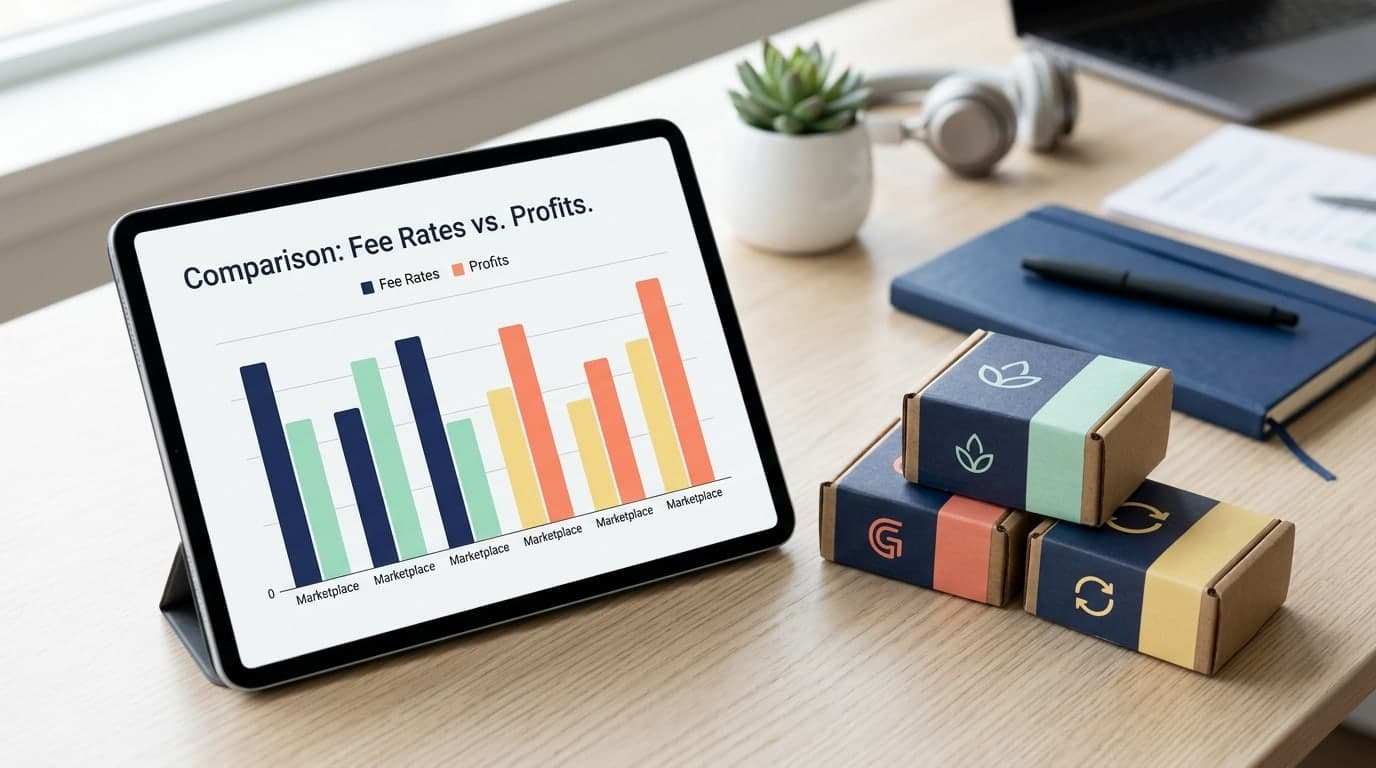
Shopee vs. Lazada vs. TikTok Shop: Platform Fee Comparison and Multichannel Selling Strategy
Multichannel E-commerce: The Cost Management Challenge for Online Sellers
In modern e-commerce, relying on a single sales channel is a high-risk operational strategy. Most successful sellers implement a multichannel approach, list products across Shopee, Lazada, and TikTok Shop to maximize customer touchpoints and reduce dependence on platform algorithm changes.
However, the biggest financial headache of this setup is layered fee structures. Platforms constantly adjust commission and transaction rates, and sellers who maintain flat pricing across all storefronts without analyzing platform-specific cuts often discover that identical items yield wildly different net margins. Understanding fee structures is essential to build profitable promotions and allocate advertising budgets wisely.
The Three Main Categories of Marketplace Fees
While exact rates differ, major e-commerce platforms charge three core fee types:
- Category Commission Fees: A fee deducted from every successful sale. The rate is calculated as a percentage of the listing price based on the product category—fashion and beauty products generally carry higher commission rates than electronics.
- Transaction Processing Fees: Fees charged to process buyer payments (e.g., credit card shippings, bank transfers, e-wallets, or Cash on Delivery). Rates average around 3% to 4% across most networks.
- Campaign Program Fees: Additional charges incurred by merchants participating in premium platform programs like Free Shipping specials or Coins Cashback programs, adding another 3% to 5% to order deductions.
Marketplace Breakdown: Shopee, Lazada, and TikTok Shop
Here is how the cost structure generally looks for each major channel:
1. Shopee
Offers the largest customer base and active traffic volumes. Fee metrics are clearly detailed inside the Shopee Seller Center. However, transaction fees and program costs can stack quickly, making it a high-traffic but high-fee platform for small margins.
2. Lazada
Attracts shoppers with higher purchasing power looking for brand authenticity. While commission percentages are similar to Shopee, Lazada offers co-funded shipping support options and voucher matches that can protect merchant margins on premium items.
3. TikTok Shop
Leverages short-form video and livestreaming (Live Commerce). While initial promotional fee rates were low during its launch phase, they have since risen to standard market levels. Sellers must also account for affiliate commission percentages paid to creators who promote their listings.
Using Gumrai to Compare E-commerce Payouts Side-by-Side
Calculating percentages manually for every listing across three platforms is tedious. To simplify your pricing workflow, use Gumrai's E-commerce Fee Comparison Tool, which contains updated fee tables for all major channels.
Follow these steps to analyze your payout options:
- Input your product cost and target listing price.
- Select the appropriate product category to apply correct commission rates.
- Toggle active campaign participations (e.g., free shipping or cashback options).
- The tool displays your estimated payouts and net profit margins side-by-side.
Real-World Small Business Case Study
Scenario: A small wooden toy manufacturer sold an item for $20 across all channels (unit cost was $8). When comparing payouts, they found that TikTok Shop (due to affiliate commissions) yielded the lowest margin, while direct sales via their website or messaging apps yielded the highest profit. They adjusted their strategy, using social platforms to acquire new buyers, and directing repeat customers to their website for custom bundles to improve profitability by 28%.
Frequently Asked Questions (FAQ)
1. Can I charge different prices for the same product on Shopee and Lazada?
Yes. However, some platforms run matching algorithms that exclude listings from double-day campaigns if prices are significantly higher than on competing channels.
2. Is Value Added Tax (VAT) included in platform fee displays?
Generally, platform fee rate tables exclude the 7% VAT. The tax is added to the total fee amount when deductions are processed. Always multiply estimated fees by 1.07 to predict actual bank settlements.
3. What are the benefits of building a direct-to-consumer store over relying on marketplaces?
Direct sales protect your profit margin by eliminating platform commissions, and allow you to capture customer contact details to run retargeting ads.
Summary: Optimize Your Multichannel Profitability
Comparing platform-specific fees before setting retail prices prevents hidden losses and helps e-commerce sellers build sustainable business models.
Analyze your store commissions today with Gumrai's Fee Comparison Tool, verify your net returns using the Profit Calculator, or identify your break-even limits with our Break-Even Tool.
Want to set more accurate costs and selling prices?
Try Gumrai tools to calculate profit, set prices, and manage back-office tasks to make decisions faster.